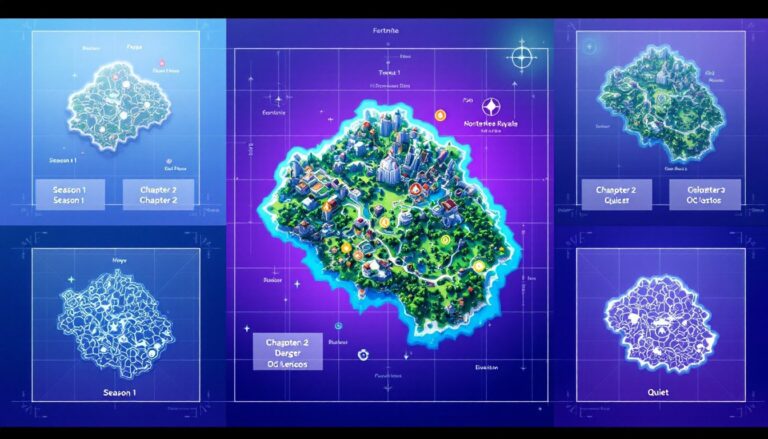
The Fortnite battle royale map is constantly evolving, and staying current with its layout isn’t just helpful, it’s essential for climbing the ranks. Whether you’re landing at established hotspots or scouting hidden gems for that early-game loot advantage, knowing the terrain shapes how you approach each match. From resource-rich zones to tactical chokepoints, every corner of the island matters. This guide breaks down the current map structure, highlights critical locations, and covers the seasonal shifts that keep Fortnite fresh. Whether you’re a casual player grinding battle passes or a competitive grinder chasing placements, understanding your surroundings is the foundation of a solid strategy.
Table of Contents
ToggleKey Takeaways
- The Fortnite battle royale map constantly evolves with seasonal changes, new POIs, and resource distribution shifts that directly impact your gameplay strategy and competitive edge.
- Mastering map geography—from high-traffic hotspots to hidden quiet zones—allows you to choose landing strategies based on whether you want early combat or late-game resource advantages.
- Resource management and loot distribution vary by zone and season, with chests, floor loot, and healing items spawning predictably in specific locations; early-game farming should match your landing zone’s material availability.
- Region-specific tactics maximize your survival potential: urban areas reward building speed and aggression, forests favor positioning and ambush play, and open fields demand long-range accuracy and material discipline.
- Competitive players who actively study seasonal map updates, storm rotations, and platform-specific meta shifts gain faster adaptation than those relying on outdated guides or static landing patterns.
Understanding the Current Map Layout and Geography
The Fortnite battle royale map in 2026 spans a familiar yet constantly refreshed island with distinct biomes and regional themes. The current layout includes verdant forests in the north, urban clusters mid-island, and coastal zones that rotate with seasonal events. The map’s geography directly impacts gameplay, terrain elevation influences sight lines, lush vegetation provides cover, and open fields demand aggressive play or cautious rotation.
Understanding the grid system helps. The island is divided into named regions, each with distinct landmarks and POIs (points of interest). Higher-elevation areas like mountains offer vantage points but expose you to sniper fire. Low-lying areas provide concealment but create funnel zones during mid-game rotations. River systems and roads cut through regions, serving as natural travel corridors.
When the fortnite new season map launches, Epic typically rebalances these fundamentals. Some regions get complete overhauls while others receive tweaks, a new building here, a collapsed structure there. Dropping knowledge of these shifts early gives you a competitive edge before the meta settles.
Resource distribution follows map geography. Wooden areas favor wood farming, rocky zones yield brick, and urban centers offer metal. Smart landing choices mean matching your early-game strategy to local resources available.
Key Locations and Notable Landmarks
High-Traffic Hotspots for Action-Seekers
Dropping at contested locations guarantees early gunfights, perfect for warming up aim and learning engagement ranges. Major landmarks like the central downtown area, industrial zones, and landmark structures draw 40-60% of lobbies in their vicinity.
These hotspots typically feature:
- Multiple chests and supply drops
- Abundant floor loot across 2-3 buildings
- Complex vertical combat spaces
- High elimination potential for early momentum
The trade-off is obvious: high reward means high risk. You’ll encounter 5-10+ opponents immediately. Platform matters here, console players benefit from predictable engagement patterns, while PC players leverage mouse precision in close-quarters fights.
Hidden Gems and Quiet Landing Zones
Not every match demands early combat. Quiet landing zones scattered across the map offer measured pacing, steady loot, and breathing room for farm-and-rotate strategies.
These locations typically spawn:
- 2-4 chests with consistent loot tables
- 15-30 floor items in concentrated areas
- 1-3 opponents maximum early game
- Smooth rotations toward mid-game zones
Experienced players leverage quiet zones to farm materials, secure healing items, and hit mid-game with full shields and 500+ wood. This approach trades early elimination opportunity for late-game resource advantage. For those hunting map secrets and challenge locations, a fortnite interactive map tool displays real-time POI data and quest markers.
Landing consistency matters. Rotating through the same 2-3 quiet zones across multiple matches builds muscle memory for loot spawns, chest locations, and rotation pathways, critical for tournament prep or ranked grinding.
Loot Distribution and Resource Management
Loot tables vary by zone and season, but core principles remain. Chest-heavy areas spawn legendary and epic weapons at higher rates. Floor loot provides consistency, you’ll always find shields, healing, and common weapons scattered across buildings.
Resource management separates competent players from rookies. Hitting late-game with 999 wood, 500 brick, and 200 metal versus 200-150-100 dictates whether you control fights or get pressured. Early-game farming should match your landing zone’s material availability.
Weapon tier distribution follows loot rarity. Gold and purple weapons concentrate in landmark chests and supply drops. Blue and green weapons dominate floor loot. Shields, from potions to shield kegs, spawn more frequently in populated zones. The fortnite og experience relied on simpler loot, but modern rotations demand understanding current weapon metas.
Heal items cluster near medical buildings and named POIs. Medkits, slurps, and shield potions appear predictably in bathrooms, kitchens, and supply caches. Knowing these spawns means planning rotation routes that guarantee full health before Zone 4 closes.
Some players obsess over Fortnite Pinata loot mechanics as supplementary farming, which adds explosive material gain when broken. This detail sounds niche but pays dividends in competitive matches.
Map Evolution and Seasonal Changes
The Fortnite battle royale map doesn’t stay static. Epic refreshes the island every season, rotating landmarks, adding narrative events, and occasionally introducing cataclysmic changes that reshape geography entirely.
Season transitions typically bring:
- 2-5 new named POIs replacing older locations
- Visual overhauls to existing regions (updated buildings, new terrain textures)
- Loot distribution shifts based on new weapon additions
- Event moments that dynamically alter landmarks (rifts, explosions, structure collapses)
Historical examples drive this home. Previous seasons introduced frozen zones, desert rotations, and underwater mechanics, each fundamentally changing rotations and engagement strategies. The fortnite og map bears little resemblance to current iterations, yet those early seasons established design principles Epic still follows.
Seasonal changes force meta adaptation. Weapons get vaulted or unvaulted, movement mechanics shift, and new POIs introduce fresh rotation paths. Players who actively study seasonal map updates through patch notes or community resources adapt faster than those relying on outdated guides.
Narrative events layer storytelling onto map changes. Limited-time events transform landmarks, introduce temporary mechanics, and create memorable moments. These aren’t just cosmetic, they influence actual gameplay and loot distribution during the event window.
Strategic Tips for Dominating Across Different Regions
Region-specific strategies maximize your survival and elimination potential. Urban areas reward aggression and building speed, vertical combat dominates when 5+ players contest space. Practice piece control, pre-builds, and height advantage techniques before dropping downtown.
Forested zones favor positioning and ambush tactics. Dense vegetation provides cover for third-partying or clean rotations without line-of-sight. Use trees and elevation to gain intel before committing to fights.
Open fields demand long-range accuracy and material discipline. You can’t out-build exposed enemies, instead, position yourself in natural cover and leverage distance to your advantage. Sniper rifles and assault rifles become primary picks here.
Coastal areas present unique rotation challenges. Storm often centers inland, forcing teams to rotate upland. Control cliff positions and beach funnels early, then use elevation to pressure rotating opponents.
Timing matters across all regions. Hitting a location before the server-wide rotation creates looting windows, you’ll farm supplies uncontested. Rotating with the storm versus ahead of it determines fight intensity. Competitive players study zone spawns and predict rotations mathematically, positioning themselves for predictable opponent pathways.
Even legendary moments, like the Galactus event that restructured map zones years ago, shape how modern players think about regional strategy. Understanding map history informs current decision-making.
Platform awareness adjusts execution. Console players benefit from controller aim assist in mid-range engagements but struggle with flick shots. PC players dominate close-quarters but face higher latency variance. Cross-platform communication and platform-specific landing choices matter in competitive trio or squad formats. External resources like Dexerto’s gaming coverage track platform-specific meta shifts when balance changes roll out.
Tournament players obsess over Game8’s data and community tier lists to inform regional drop strategies, especially during major competitive events where map knowledge separates finalists from early eliminations.