If you’ve ever dropped into Fortnite and instantly got turned around trying to figure out where you actually landed, you’re not alone. The island’s constantly shifting POIs and seasonal map overhauls can make navigation a real headache, especially when you’re trying to coordinate with teammates. While Google Maps itself isn’t a built-in Fortnite feature, understanding how to leverage map tools alongside your gameplay, plus mastering the in-game map system, can seriously level up your navigation game. This guide walks you through the best strategies for using maps effectively, finding hot drop locations, and staying coordinated with your squad in 2026.
Table of Contents
ToggleKey Takeaways
- Using external map tools like Fortnite.GG alongside your gameplay, especially on a second monitor, gives you competitive advantages in drop strategy and loot location knowledge.
- Master hot drop locations with high loot density (Greasy Grove, The Rig, Brutal Bastion) and pre-plan 2–3 alternate rotations based on your drop spot to save time and resources during early-game rotations.
- Fortnite’s in-game ping system combined with external map references eliminates miscommunication and improves team coordination during high-pressure moments.
- Memorizing POI layouts, spawn patterns, and sightlines in Team Rumble is fundamental for competitive players and directly impacts your win rate in ranked play.
- Map knowledge has evolved through multiple chapters and seasonal overhauls; understanding how the island’s layout has changed helps you identify which locations remain meta and valuable.
How Google Maps Enhances Your Fortnite Gameplay
While Google Maps doesn’t directly integrate with Fortnite’s gameplay, the concept behind using external reference tools mirrors how competitive players already approach the game. Experienced gamers often use secondary monitors or mobile devices to pull up detailed map resources while they play. Fortnite’s in-game minimap is functional but limited in detail compared to third-party tools designed specifically for the game.
Think of it like this: your in-game map shows you the broad strokes, but external tools show you the fine print. Players hunting for specific loot routes, weekly challenge locations, or trying to memorize spawn patterns often switch between their game and a dedicated Fortnite map resource. The muscle memory you build from doing this translates directly into faster decision-making during matches. When you land at a POI and instantly know where the best loot spawns are, or which direction enemies typically rotate from, that’s the advantage external map knowledge gives you.
The real enhancement comes from third-party Fortnite map tools like Fortnite.GG, which offer interactive maps with real-time challenge markers, spawn locations, and detailed POI layouts. These resources let you pre-game your drop strategy before you even load in, so you’re not making it up as you go.
Setting Up Google Maps Alongside Fortnite
Setting up a secondary reference system for map navigation isn’t complicated, but it does require a bit of planning depending on your setup.
Multi-Monitor and Mobile Setup Options
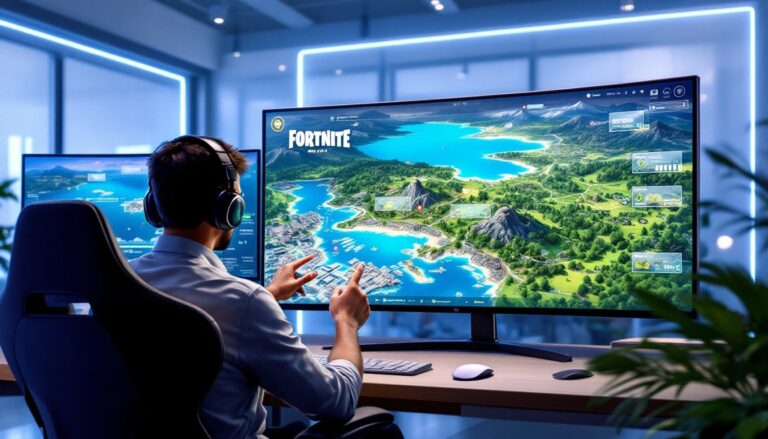
If you’re playing on PC, a second monitor is the gold standard for keeping a map resource visible at all times. Most competitive players use a 16:9 or ultrawide secondary display to pull up detailed Fortnite maps without alt-tabbing. This keeps your game window full-screen and uninterrupted while you reference locations in real-time.
For console players (PS5, Xbox Series X
|
S), the mobile approach works better. Keep your smartphone or tablet next to you with a Fortnite map resource open. Many players screenshot popular POI layouts before jumping in, so they’ve got a mental reference point. This is less ideal than a second monitor, but it’s how most console players handle map memorization.
Mobile players on phones have their own challenge since the screen real estate is limited. A quick solution: use split-screen if your device supports it, or take strategic breaks during matches to check map details. Fortnite Mobile: Transforming Gaming covers the nuances of mobile-specific gameplay, including navigation on smaller screens.
The key is minimizing the time you spend looking away from your game. Your eyes should stay on the action 90% of the time, with quick glances at your reference material only when you’re looting or regrouping.
Strategic Map Navigation and Hot Drop Locations
Dropping hot is where most matches either start strong or end in a respawn screen. The meta shifts every season, but a few principles stay constant: land where loot density is high, where rotation routes are efficient, and where you can avoid early-game chaos if that’s your playstyle.
Popular hot drops in current seasons include Greasy Grove (consistent chest spawns, healing items), The Rig (high-tier loot, vertical gameplay), and Brutal Bastion (weapon variety, building materials). But here’s the thing, the best drop spot depends on your playstyle, your team composition, and what the bus route looks like that match.
Using Fortnite Chapter 5 Season gives you a detailed breakdown of every named location and its unique features. This kind of resource lets you plan multiple drop routes based on different bus paths, which is crucial for tournament play or ranked grind sessions.
Using Map Markings for Team Coordination
Fortnite’s in-game ping system is powerful, but it’s not a substitute for clear communication. Before you jump, ping your intended landing spot on the map so your squad sees your marker. Once in-game, use sequential pings to mark rotation routes, enemy positions, and loot callouts.
If you’re coordinating with external tools (like a Discord call with a map visible to all team members), you can say things like “rotating through the southern tunnel to avoid that squad” and everyone knows exactly what you mean because you’re all looking at the same reference material. This eliminates vague directional language and cuts down miscommunication in high-pressure moments.
For competitive teams, memorizing spawn locations and loot routes pays dividends. Where in Fortnite: Complete is exactly the kind of resource comp teams bookmark and study between scrims.
Advanced Tips for Competitive Players
If you’re grinding ranked or scrims, map knowledge isn’t optional, it’s fundamental. Top-tier players spend hours in Team Rumble memorizing POI layouts, testing rotations, and learning which buildings have multiple loot spawns. The difference between a champion and a mid-tier player often comes down to decisiveness, and decisiveness comes from knowing the map cold.
One advanced technique: route planning. Before each match, identify 2-3 alternate rotations based on your drop spot. If your first choice gets contested, you already know where you’re pivoting and how to get there efficiently. This saves precious seconds and materials during early-game rotations.
Resource-wise, sites like The Loadout regularly update guides on weapon meta, building tips, and competitive strategies. Pairing weapon knowledge with map knowledge creates a complete skillset. You’re not just knowing where loot is, you’re understanding sightlines, high-ground opportunities, and zone rotations.
The fortnite og players often reference the early map layouts as gold standards for balanced POI distribution. Understanding how the map has evolved, from the original island through multiple chapter overhauls, gives you perspective on which locations tend to stay meta and which ones become ghost towns. Similarly, Fortnite Season: Unveiling Exciting breaks down how each seasonal refresh affects competitive play.
For creative and tournament play, resources like Squid Game Fortnite Code: show how custom maps get built and tested. Understanding creative map design principles can actually improve your in-game awareness of how loot and cover are distributed strategically.
Conclusion
Mastering Fortnite’s map isn’t about having GPS coordinates, it’s about building spatial awareness and knowing your landing spots cold. Whether you’re using a second monitor, your phone, or pure memory, the goal is the same: reduce decision friction and move faster than your opponents. Drop smart, rotate efficiently, and communicate clearly, and you’ll see your win rate climb. The map is your playground, learn to own it.