When Fortnite Battle Royale dropped in 2017, no one predicted it would become a $9 billion juggernaut that redefined gaming culture. OG Fortnite, the early “Chapter 1” era spanning 2017–2019, wasn’t just a game: it was a cultural moment. Within a year, it had pulled in over 125 million players and dominated streaming platforms, making celebrities and pro players household names. The combination of accessible free-to-play mechanics, groundbreaking building systems, and relentless seasonal updates created something gamers had never seen before. Understanding what made OG Fortnite so dominant helps explain why gamers still crave that original experience and why the game’s formula continues to influence the entire industry today.
Table of Contents
ToggleKey Takeaways
- OG Fortnite became a $9 billion cultural phenomenon by combining free-to-play accessibility, groundbreaking building mechanics, and relentless seasonal updates that kept over 125 million players engaged within its first year.
- Celebrity endorsements and streaming powerhouses like Ninja and Drake transformed OG Fortnite from a game into a mainstream cultural moment, with emotes and dances becoming global trends on TikTok and beyond.
- The early chapter’s core formula—a single evolving map, lean weapon pool, and color-coded rarity tiers—kept gameplay readable and competitive, allowing both casual and pro players to thrive without overwhelming complexity.
- OG Fortnite’s live-service innovations, including the seasonal battle pass model, in-game live events like the rocket launch, and cosmetic-first monetization, became the industry standard for modern gaming across all platforms.
- Modern Fortnite’s expanded map design, 50+ weapons per season, and heavy crossover strategy represent a dramatic departure from the original experience, which explains why players still crave og fortnite nostalgia and seek rare cosmetics from the early era.
What Made OG Fortnite A Cultural Phenomenon
OG Fortnite‘s explosion wasn’t accidental. The game launched free-to-play on every platform, PC, consoles, and eventually mobile, which meant a teenager could jump in without spending a cent. Cross-platform play let friends on different systems squad up instantly, removing the gatekeeping that plagued earlier competitive titles.
Streaming and celebrity endorsement turbocharged its reach. A legendary Twitch stream in March 2018 featuring Ninja, Drake, Travis Scott, and others shattered concurrent viewer records and pushed the game into mainstream consciousness. Suddenly, fortnite emotes and dances weren’t just in-game cosmetics, they were showing up in sports celebrations, TikTok videos, and music videos.
The free battle pass model and cosmetic-heavy monetization were genius marketing. Skins became status symbols. The game didn’t feel pay-to-win: it felt exclusive. And Epic’s commitment to seasonal changes, rotating mechanics, new weapons, surprise live events, kept the community perpetually engaged. Players logged in not just to win, but to experience what new chaos the devs had cooked up.
Key Features That Defined The Early Game
The core OG Fortnite experience centered on a few non-negotiable mechanics. A single, evolving island featured iconic locations: Tilted Towers (sweaty central), Dusty Depot (mid-tier chaos), Pleasant Park (loot goblin paradise), and Loot Lake (supply drop magnet). The map wasn’t massive, which meant fights happened frequently and zone rotation felt tight.
Loot came in color-coded rarity tiers, Common (grey), Uncommon (green), Rare (blue), Epic (purple), and Legendary (gold). Chest spawns were randomized but predictable enough that experienced players developed hot-drop strategies. The weapon pool was lean and readable: ARs, shotguns, sniper rifles, and utility items like meds and shields. No one felt lost in an overwhelming arsenal.
Limited-time modes (LTMs) experimented constantly. 50v50 meant chaos. Soaring 50s added launch pads to every loadout. Playground mode became the training ground for practicing building mechanics without the pressure of live combat.
Building Mechanics and Combat Evolution
Building was Fortnite’s secret sauce. While other battle royales locked you into the environment, Fortnite let you harvest wood, brick, and metal from destructible objects and instantly construct cover. A wall cost 10 wood. A ramp cost 20. This meant:
- Vertical fights had no predetermined outcome. High ground could be seized mid-firefight through rapid building.
- Advanced techniques emerged: the 90 (a spiral climb), edit plays (breaking out wall sections mid-combat), and high-ground retakes became the skill expression ceiling.
- TTK (time-to-kill) expanded because fights weren’t about reflexes alone, they were about game sense, building speed, and creative problem-solving.
Epic constantly adjusted material costs, structure health, and weapon damage to manage the pace. When building felt oppressive, they nerfed mat generation. When gunplay felt weak, they buffed early-game weapons. This live-service balancing kept the meta fresh, though it also meant patch notes became essential reading for competitive players.
How OG Fortnite Compared To Modern Seasons
Modern Fortnite is nearly unrecognizable compared to OG Chapter 1, and that gap reveals why nostalgia for og fortnite skin drops and og fortnite gameplay is still so real.
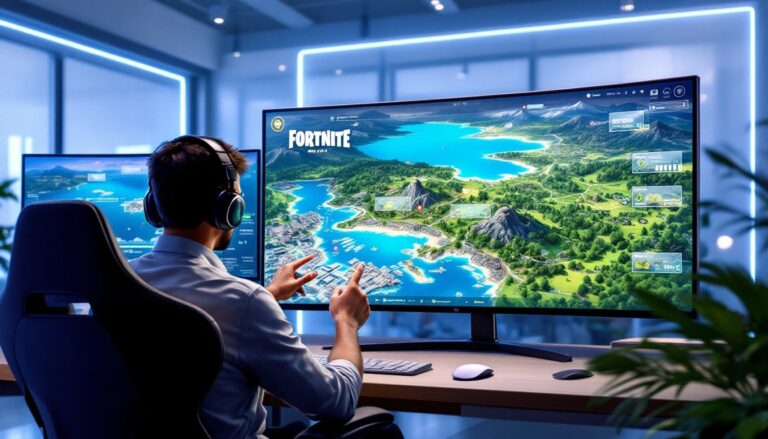
Map Design: OG Fortnite lived and died on one island that evolved gradually. Modern seasons demolish and rebuild the entire map multiple times per chapter. New biomes appear overnight. Licensed POIs (Points of Interest) like Tilted Towers became Tilted Town became Rave Cave. The environment tells a story now, but it’s less consistent and more overwhelming for newcomers.
Item Pool: Early loot was manageable. You’d memorize common gun spawns and learned the meta quickly. Modern seasons introduce 50+ weapons, vehicles, healing items, and gimmicks per update. The fortnite new map often brings radical weapons like hammers, rail guns, or one-shot mythics that dominate for weeks before balancing. Depth increased, but readability suffered.
Pacing: OG matches rewarded positioning and patience. Kill counts stayed low because fights were methodical. Modern gameplay is faster, especially with increased mobility (grappling hooks, dash boots, vehicles). Zone damage escalates quicker. The skill floor raised, but casual players got overwhelmed.
Content Strategy: Early Fortnite avoided heavy crossovers. The community was tight-knit around original cosmetics. Now? Every season is a collaboration. Marvel characters, Star Wars, gaming legends, the game became a cultural licensing hub. Live events evolved from curiosities into massive virtual concerts and story beats.
Gameplay Modes: OG Fortnite was battle royale or nothing. Modern Fortnite splintered into Zero Build (no building at all), Creative mode, UEFN (user-generated content), and rotating game types. Players could avoid traditional BR entirely. Epic even brought back Chapter 1 as a limited-time mode multiple times, directly responding to og fortnite nostalgia.
The Impact Of OG Fortnite On Gaming Culture
OG Fortnite’s ripple effects reshaped how the entire industry approaches live-service gaming.
Battle Royale Mainstream: Before Fortnite, BR was niche (PlayerUnknown’s Battlegrounds was clunky on PC). Fortnite made it accessible to 10-year-olds and casual gamers. Every major shooter since, Call of Duty Warzone, Apex Legends, PUBG Mobile, borrowed Fortnite’s playbook: free-to-play, battle pass monetization, cosmetic-first design.
Cross-Platform Play Normalization: Console wars meant nothing in OG Fortnite. A PlayStation kid could squad with an Xbox friend without friction. This normalized cross-platform as an industry standard. Fighting games, shooters, and MMOs followed suit.
In-Game Live Events: The rocket launch event in Season 4 (July 2018) wasn’t a cinematic, it was a live, player-witnessed moment. When that rocket exploded and tore a rift in the sky, millions saw it simultaneously. Future events (live concerts, story moments) became tentpole experiences. Fortnite proved games could host real spectacles.
Streaming Economy: Pro players’ settings and sensitivity configs became searchable databases. Fortnite streamers on The Loadout gaming guides became celebrities. Content creators built careers entirely on Fortnite. Twitch growth accelerated partly because of Fortnite’s accessibility and spectacle.
Seasonal Content Model: Fortnite’s two-week battle pass cycle with themed cosmetics, challenges, and story progression became the gold standard. Every live-service game now uses battle passes. Free players get content: paying players get faster progression and exclusives. OG Fortnite proved this model worked.
Cultural Embedding: Fortnite dances trended on TikTok and Instagram. The Floss emote became a worldwide meme. Athletes and celebrities performed Fortnite dances in public. This blurred gaming and mainstream pop culture in ways few games achieved. Parents who’d never played Fortnite knew what Fortnite was, which is marketing gold.
There were downsides: educators worried about distraction, parents voiced concerns about stylized violence, and younger players showed addiction patterns. But culturally, OG Fortnite proved gaming could be a legitimate mass medium.
Conclusion
OG Fortnite’s reign as a cultural phenomenon wasn’t about being the best-designed game, it was about timing, accessibility, and relentless execution. Free-to-play entry, cross-platform unity, and building mechanics that rewarded skill and creativity created an ecosystem where everyone belonged. Celebrity adoption and streaming amplification turned it into appointment gaming.
Today, Fortnite continues to evolve with new chapters, cosmetics, and game modes, but the appeal of the original still resonates. When Epic reintroduces Chapter 1 experiences or players hunt for rare og fortnite skins, they’re chasing that original magic, when the game felt fresh, the community felt unified, and every login promised something unexpected. That’s the real legacy of OG Fortnite.